
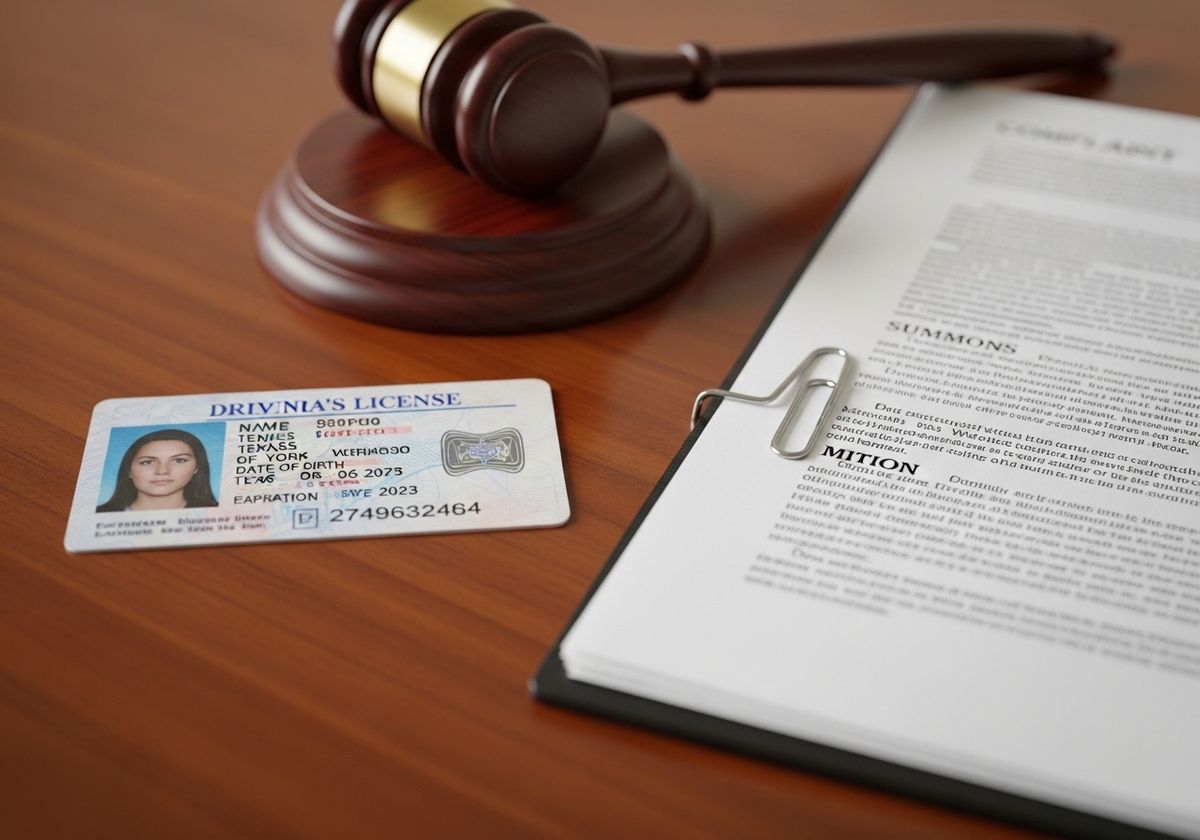
After a traffic arrest, many people are unsure about the status of their driver's license. The consequences can vary depending on the severity of the charges and the state's laws. This post aims to clarify what typically happens to your driver's license following a traffic arrest.
Immediate Actions After a Traffic Arrest
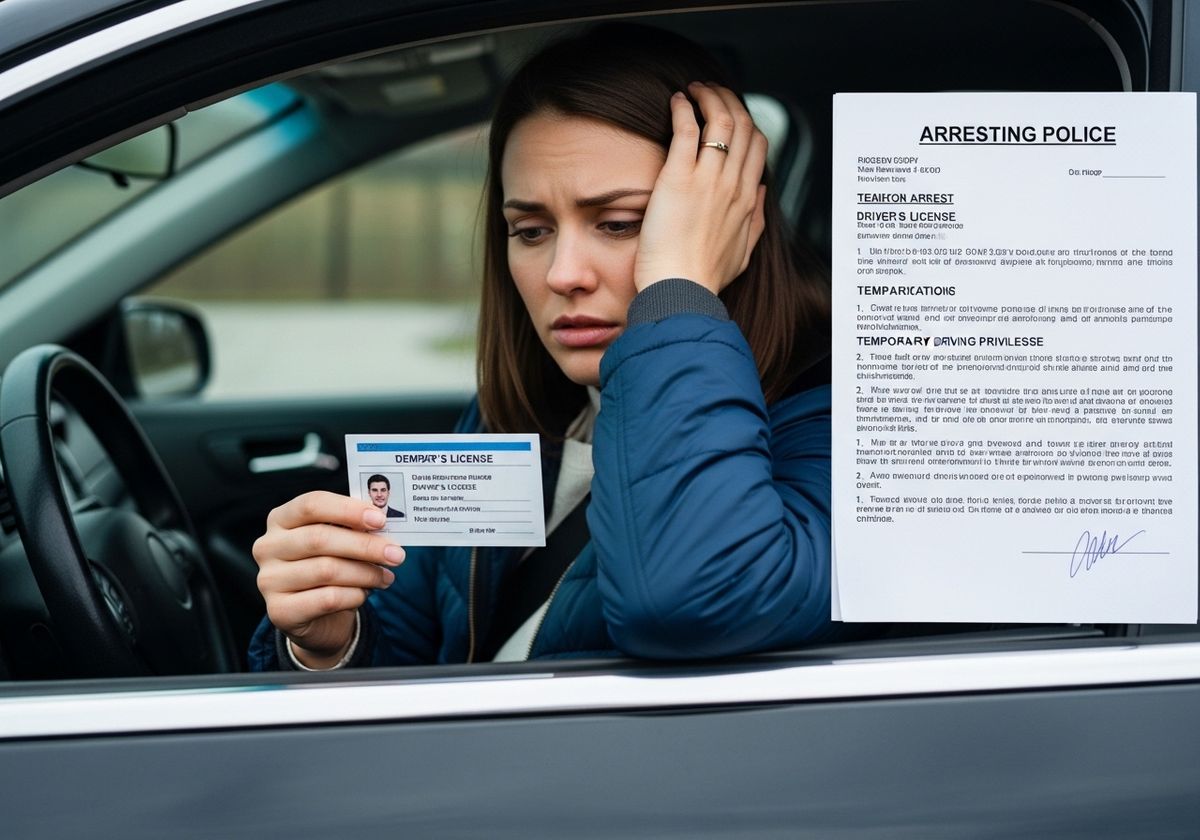
When you are arrested for a traffic violation, the officer may confiscate your driver's license, especially if the charges involve driving under the influence (DUI) or other serious offenses. You will usually be issued a temporary license, which allows you to drive for a limited period until your court date. The specifics of this temporary license, including its duration and any restrictions, will be outlined on the document provided by the arresting officer.

Potential Impact on Your Driving Privileges
The outcome of your traffic case can significantly affect your driving privileges. Here are some potential scenarios:
Suspension: A conviction for certain traffic offenses can lead to the suspension of your driver's license. The length of the suspension varies depending on the offense and your prior driving record. Common offenses that may result in suspension include DUI, reckless driving, and driving without insurance.
Revocation: In more severe cases, such as multiple DUI convictions or vehicular manslaughter, your driver's license may be revoked. Revocation means your driving privileges are terminated, and you must reapply for a new license after a specified period.
Points System: Many states use a points system to track traffic violations. Each conviction adds points to your driving record. Accumulating a certain number of points within a specific timeframe can result in license suspension.
The Role of the Court and DMV
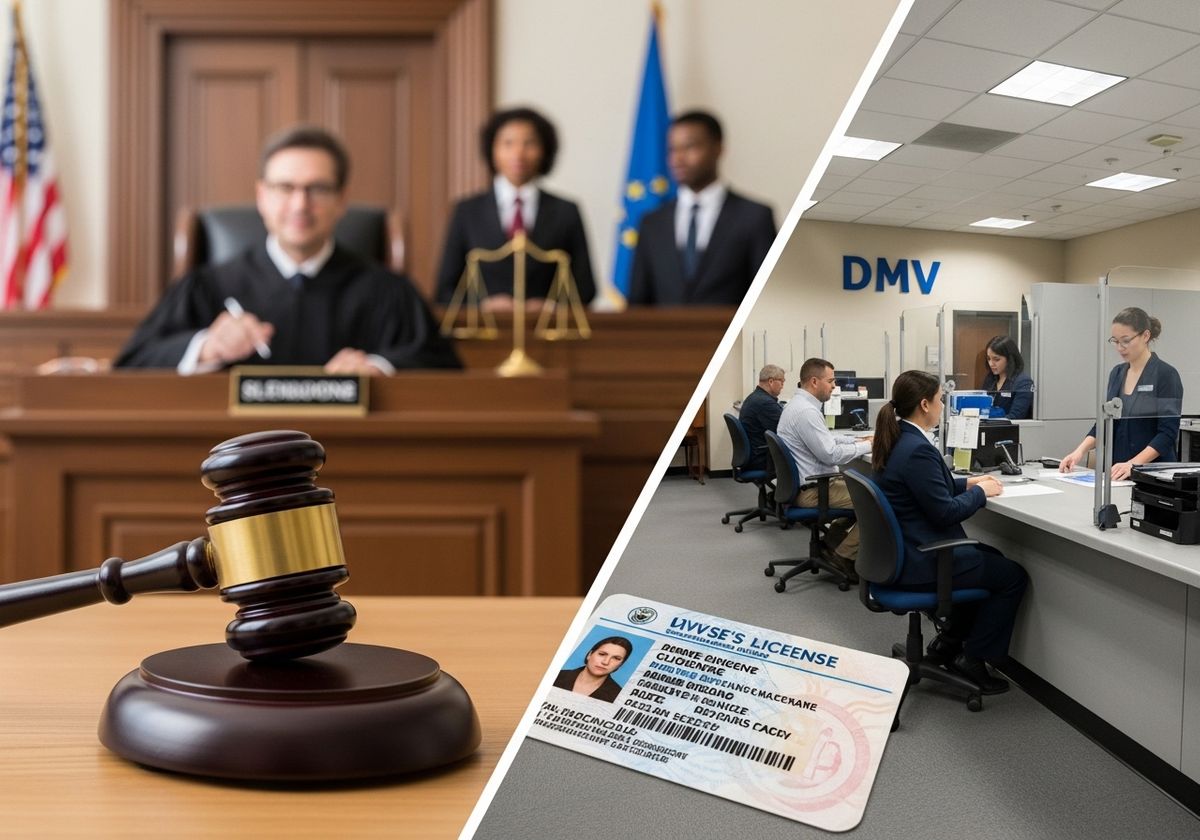
Following a traffic arrest, your case will proceed through the court system. The court will determine your guilt or innocence and impose penalties, which may include fines, community service, and license suspension or revocation. The Department of Motor Vehicles (DMV) is responsible for administering and enforcing these penalties.
It's important to understand that the court's decision and the DMV's actions are interconnected. The court's findings are reported to the DMV, which then takes the necessary administrative actions regarding your driving privileges. For example, if the court orders a license suspension, the DMV will implement and track the suspension period.
Reinstating Your Driver's License
If your driver's license is suspended, you will need to meet certain requirements to have it reinstated. These requirements may include:
Paying all fines and court fees
Completing a driver education course
Providing proof of insurance
Passing a driving test
Paying a reinstatement fee
The specific requirements vary by state and the nature of the offense. It is crucial to contact your local DMV for detailed information on how to reinstate your license.

The Importance of Legal Representation
Navigating the legal process after a traffic arrest can be complex. Consulting with a trial lawyer or criminal trial attorney is highly recommended, especially if you are facing serious criminal charges. A skilled attorney can review the details of your case, advise you on your rights and options, and represent you in court. They can also help you understand the potential impact on your driver's license and work to minimize the consequences.
Understanding what happens to your driver's license after a traffic arrest is essential for protecting your driving privileges and ensuring you comply with the law. The process can be intricate, involving both the courts and the DMV. Being informed and seeking legal assistance when necessary can make a significant difference in the outcome of your case.
If you're dealing with the aftermath of a traffic arrest, remember that understanding your rights and the legal process is crucial. Whether you need guidance navigating the complexities of the legal system or need representation in court, the local law firm of Karalus Law Firm is here to help. Our experienced attorneys can provide the support and expertise you need. Contact our Minneapolis law firm today for a consultation, and let us help you protect your future.