

Navigating an encounter with law enforcement can be a stressful experience, especially when you're unsure of your rights. Being aware of your constitutional rights is crucial to protect yourself and ensure fair treatment under the law. This knowledge becomes even more vital when facing serious criminal charges.

Your Right to Remain Silent
The Fifth Amendment of the U.S. Constitution protects you from self-incrimination. This means you have the right to remain silent and cannot be forced to answer questions that could incriminate you. If you are arrested or in a custodial situation, police officers are required to inform you of this right, often referred to as your Miranda rights. It's essential to understand that anything you say can be used against you in court. Therefore, politely but firmly assert your right to remain silent and request to speak with a trial lawyer before answering any questions.

The Right to Counsel
The Sixth Amendment guarantees your right to an attorney. If you are accused of a crime, you have the right to have a lawyer represent you. If you cannot afford an attorney, one will be appointed to you by the court. It is generally advisable to seek legal representation before speaking with law enforcement, especially when facing serious criminal charges. A skilled criminal trial attorney can advise you on how to proceed and protect your rights throughout the legal process.

The Right to Refuse a Search
The Fourth Amendment protects you from unreasonable searches and seizures. Generally, law enforcement needs a warrant based on probable cause to search your property. However, there are exceptions to this rule, such as if you consent to the search or if there is probable cause and exigent circumstances. If an officer asks to search your car or home, you have the right to refuse. However, it's important to clearly and respectfully state that you do not consent to the search. Do not physically resist, as this could lead to additional charges. Remember, refusing a search does not imply guilt.
Understanding Probable Cause
Probable cause is a crucial legal standard that allows law enforcement to take certain actions, such as making an arrest or conducting a search. It exists when there are facts and circumstances that would lead a reasonable person to believe that a crime has been committed. If the police lack probable cause, any evidence they obtain might be inadmissible in court. This is where a skilled trial lawyer can prove invaluable, as they can assess the circumstances of your arrest and determine whether probable cause existed. If you believe your rights were violated, it's essential to consult with a local law firm to explore your legal options.
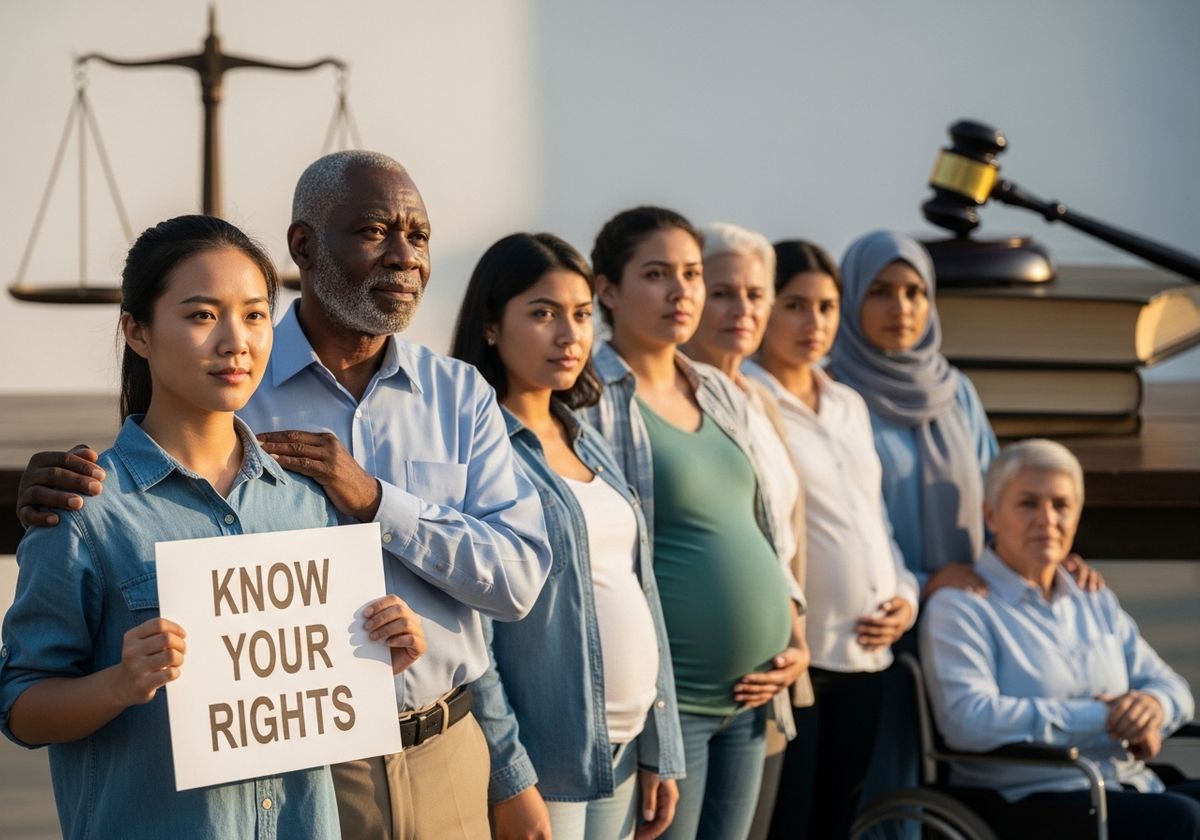
Navigating a police encounter can be daunting, but understanding your constitutional rights is paramount. Remember your right to remain silent, your right to counsel, and your right to refuse a search. These rights are in place to protect you from potential abuses of power and ensure a fair legal process. If you or someone you know is facing serious criminal charges in Minneapolis, it's crucial to seek the advice of an experienced criminal trial attorney. At Karalus Law Firm, we are committed to defending your rights and providing you with the best possible legal representation. Contact us today for a consultation and learn how our Minneapolis law firm can help. Remember, knowing your rights is the first step in protecting them.