

Navigating the legal system after an arrest can be daunting, especially when faced with the complexities of bail and bond. In Minnesota, understanding this process is crucial to ensure you or your loved one can navigate the legal system effectively.
What is Bail?
Bail is the conditional release of a defendant from custody, ensuring their appearance in court for all scheduled hearings. It serves as a financial guarantee that the defendant will comply with court orders. The amount of bail is determined by a judge, considering factors such as the severity of the charges, the defendant's criminal history, and the risk of flight.
Understanding the Role of Bond
While often used interchangeably with "bail," a bond is the actual financial instrument used to secure the defendant's release. Instead of paying the full bail amount directly to the court, a defendant can obtain a surety bond through a bail bondsman. This typically involves paying a percentage of the bail amount (usually 10%) as a non-refundable fee. If the defendant fails to appear in court, the bondsman is responsible for paying the full bail amount.

Factors Influencing Bail Amount
Several factors influence the bail amount set by the court:
Severity of the Crime: More serious crimes generally result in higher bail amounts.
Criminal History: A defendant with a prior criminal record may face higher bail.
Risk of Flight: If the court believes the defendant is likely to flee, bail may be set higher or denied altogether.
Community Ties: Strong ties to the community, such as family, employment, and residency, can positively influence the bail decision.
Options for Posting Bail
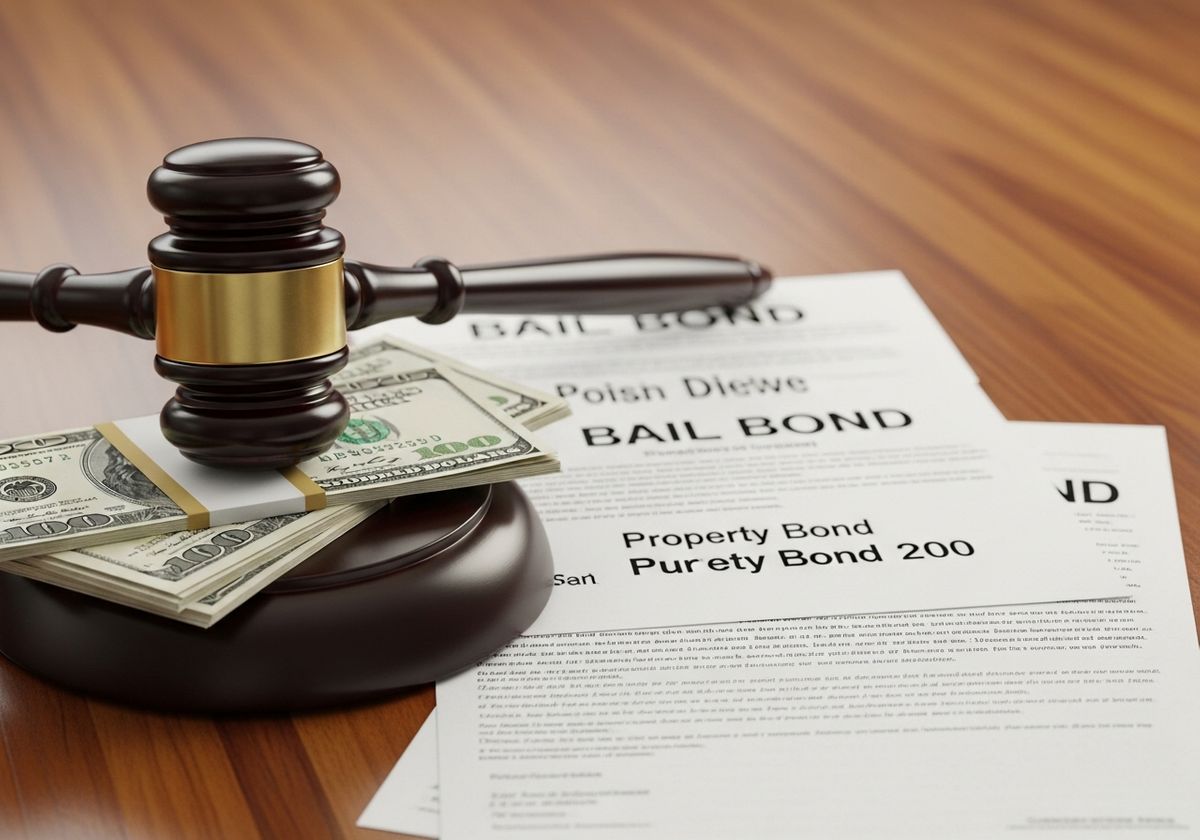
There are several ways to post bail in Minnesota:
Cash Bail: Paying the full bail amount in cash to the court.
Surety Bond: Obtaining a bond through a licensed bail bondsman.
Property Bond: Using real estate as collateral to secure the defendant's release.
Own Recognizance: In some cases, a defendant may be released on their own recognizance, promising to appear in court without posting bail.

What Happens After Posting Bail?
Once bail is posted, the defendant is released from custody with the understanding that they must attend all scheduled court appearances. Failure to do so can result in the forfeiture of bail and a warrant for their arrest.
Understanding the bail and bond process is essential for anyone facing criminal charges in Minnesota. From defining bail and bond to outlining the factors that influence bail amount and the options for posting bail, this guide offers a foundational understanding. If you or a loved one are dealing with serious criminal charges, remember that navigating the legal landscape can be complex. A skilled local law firm, like Karalus Law Firm, can provide invaluable assistance. Our experienced criminal trial attorneys can help you understand your rights and options. If you're facing serious criminal charges in Minneapolis, contact us for a consultation. Seeking guidance from a qualified trial lawyer can make all the difference in protecting your future.