
In criminal cases, the way evidence is gathered and challenged plays a pivotal role in determining the outcome. Understanding these processes is crucial for anyone facing serious criminal charges, as it can significantly impact their defense.
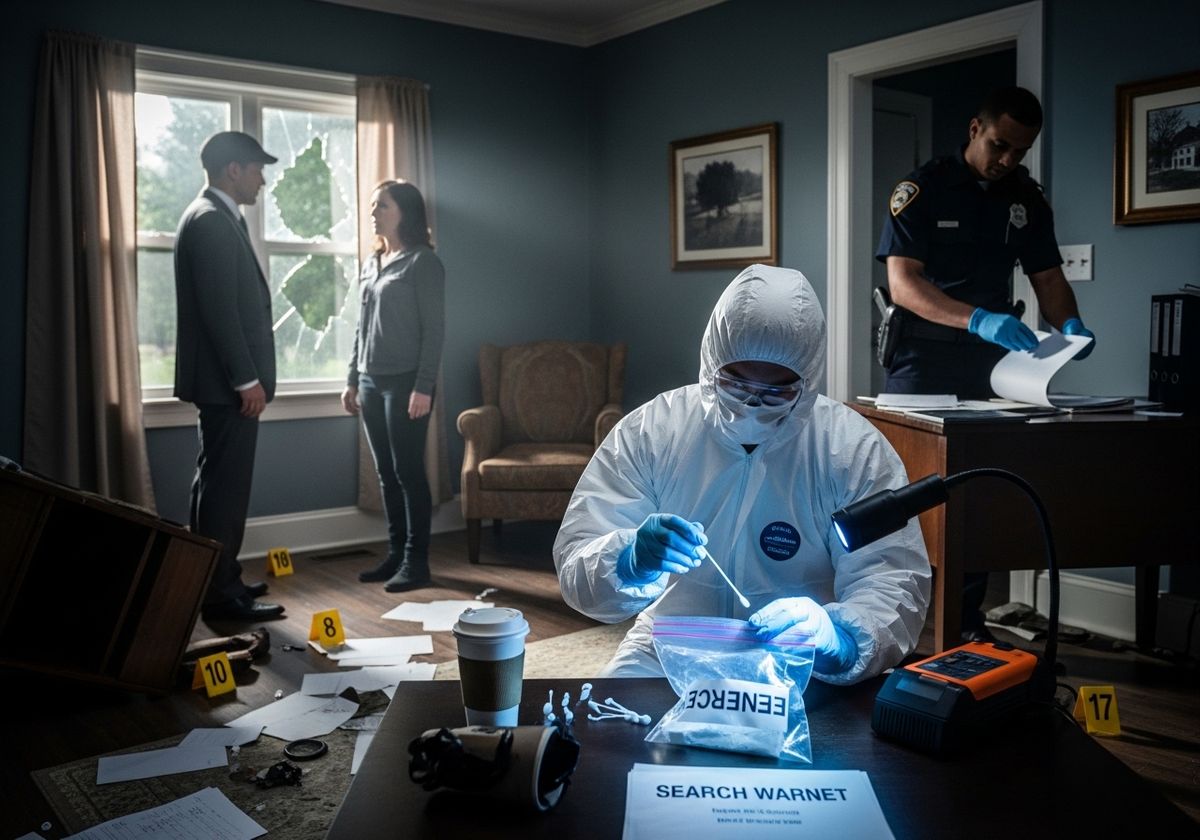
Gathering Evidence
Evidence collection is a meticulous process governed by strict legal standards. Law enforcement agencies must adhere to constitutional guidelines, ensuring that individual rights are protected throughout the investigation. Here are some common methods used to gather evidence:
Search Warrants: A search warrant is a legal document authorizing law enforcement to search a specific location for particular items. To obtain a warrant, officers must demonstrate probable cause to a judge, providing sufficient evidence to believe that a crime has been committed and that evidence related to the crime can be found at the specified location.
Interviews and Interrogations: Law enforcement officers often conduct interviews with witnesses and interrogate suspects to gather information about a crime. It is important to remember that individuals have the right to remain silent and the right to an attorney during questioning. Anything said during an interrogation can be used as evidence in court.
Forensic Evidence: Forensic evidence encompasses a wide range of scientific analyses, including DNA analysis, fingerprint analysis, ballistics, and toxicology. This type of evidence can provide crucial links between a suspect, a crime scene, and a victim.
Surveillance: Surveillance can involve various methods, such as video surveillance, electronic eavesdropping, and tracking devices. Law enforcement agencies must obtain proper authorization before conducting surveillance, especially when it involves private property or electronic communications.

Challenging Evidence
The defense has the opportunity to challenge the admissibility and reliability of evidence presented by the prosecution. This process is essential to ensure a fair trial and protect the rights of the accused. Some common grounds for challenging evidence include:
Illegal Search and Seizure: If law enforcement officers obtain evidence through an illegal search or seizure, the evidence may be suppressed, meaning it cannot be used at trial. This is based on the Fourth Amendment of the United States Constitution, which protects individuals from unreasonable searches and seizures.
Miranda Rights Violations: The Miranda Rights, derived from the Fifth Amendment, protect individuals from self-incrimination. If law enforcement officers fail to properly advise a suspect of their Miranda Rights before interrogation, any statements made by the suspect may be inadmissible in court.
Chain of Custody Issues: The chain of custody refers to the documented history of the handling and storage of evidence. If there are any gaps or irregularities in the chain of custody, the integrity and reliability of the evidence may be compromised.
Expert Witness Testimony: Expert witnesses play a crucial role in interpreting and explaining complex scientific evidence. The defense may challenge the qualifications, methodology, or opinions of expert witnesses presented by the prosecution.
Understanding how evidence is gathered and challenged is essential for anyone facing serious criminal charges. Navigating the complexities of the legal system can be daunting, especially when dealing with intricate evidence-related issues. If you are facing serious criminal charges, remember that Karalus Law Firm, your trusted local law firm and your advocate in Minneapolis, is here to help. Our experienced criminal trial attorneys are dedicated to protecting your rights and providing you with the best possible defense. Contact us today for a confidential consultation and learn how a dedicated trial lawyer can assist you. For more information, visit our website or call our office to speak with a criminal trial attorney.